


Pet Anxiety During Storms: Tips for Calming Your Dog or Cat
Pet Anxiety During Storms: Tips for Calming Your Dog or Cat
Storms can feel overwhelming for dogs and cats, especially when thunder, lightning, heavy rain, and sudden changes in the environment make them feel unsafe. During stormy weather, some pets may hide, shake, pace, vocalize, cling to their owners, or have accidents indoors. At True Animal Vet in The Woodlands, we help pet owners recognize the signs of storm anxiety and find practical ways to keep their pets calmer, safer, and more comfortable.
Why Storms Trigger Anxiety in Pets
Dogs and cats are sensitive to sounds, smells, pressure changes, and vibrations. A storm may feel much more intense to them than it does to us. Thunder, flashing lights, and sudden changes in routine can make pets feel trapped or uncertain.
Some pets develop storm anxiety over time, while others may have been fearful from a young age. Pets with separation anxiety, noise sensitivity, past trauma, or underlying health concerns may also react more strongly during storms.
Signs Your Pet May Have Storm Anxiety
Storm anxiety can look different depending on the pet. Some animals become very active and restless, while others shut down and hide.
Common signs may include:
• Pacing, trembling, or panting
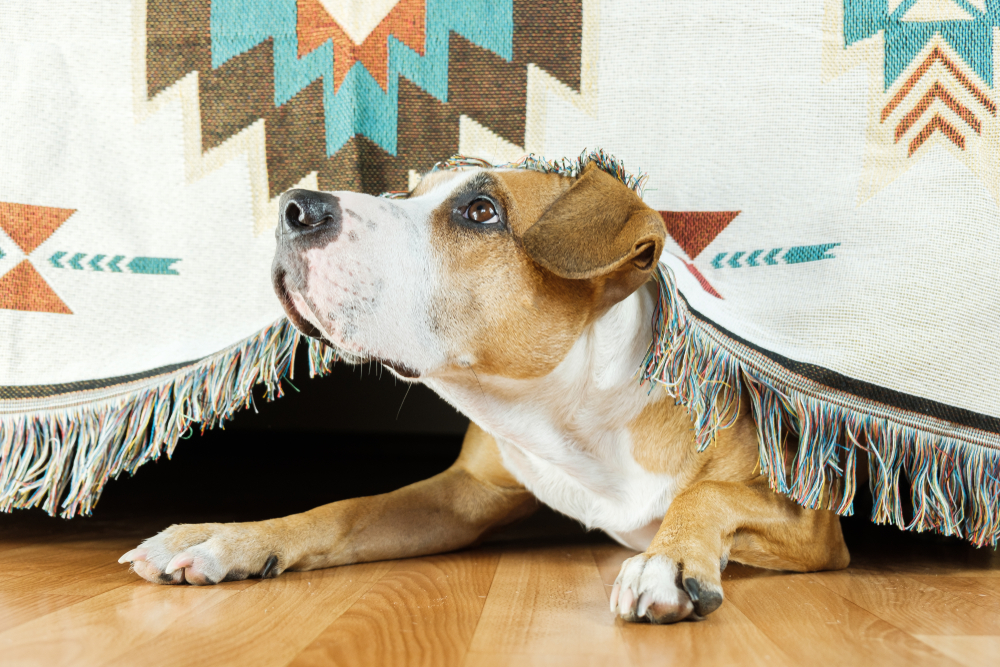
• Hiding under furniture or in closets
• Barking, whining, or excessive meowing
• Drooling, shedding, or restlessness
• Scratching at doors, windows, or floors
• Accidents in the house
• Clingy behavior or trying to escape
If your dog or cat becomes destructive, panicked, or difficult to comfort during storms, it may be time to speak with a veterinarian.
Create a Safe, Quiet Space
One of the best ways to help a pet during storms is to give them a calm place to retreat. Choose an interior room, closet, crate, or quiet corner where your pet already feels comfortable. Add soft bedding, familiar toys, and access to water.
For cats, hiding can be a natural coping behavior. Try not to force them out of their safe spot. For dogs, a crate may help if they already see it as a secure space, but it should never be used as punishment.
Use Sound and Comfort to Reduce Stress
Background noise can help soften the sound of thunder. A fan, white noise machine, calming music, or television may make storm sounds less noticeable. Closing blinds or curtains can also reduce the impact of lightning flashes.
Stay calm around your pet. Dogs and cats often pick up on our body language, so a relaxed voice and steady routine can help them feel more secure. Gentle reassurance is fine, but try not to reward frantic behavior with too much excitement.
Prepare Before the Storm Starts
If storms are in the forecast, prepare early. Take your dog outside before the weather gets intense, make sure your pet is safely indoors, and set up their comfort space ahead of time. For pets with known storm anxiety, waiting until they are already panicked can make it harder to calm them down.
Some pets may also benefit from calming wraps, pheromone products, enrichment toys, or veterinarian-recommended supplements. These options may help mild anxiety, but they are not always enough for severe cases.
When to Talk to Our Veterinarian
If storm anxiety is affecting your pet’s quality of life, veterinary care can help. Our veterinarian can evaluate your pet’s behavior, rule out medical concerns, and discuss safe options for managing anxiety. In some cases, prescription anxiety medication or a customized behavior plan may be recommended.
Schedule a consultation with True Animal Vet to discuss storm anxiety and personalized calming options for your pet. Call our office in The Woodlands, TX, at 281-867-5968 or book an appointment online today.


Contact Information
Clinic Hours
| Monday | 7:30am - 9:00pm |
| Tuesday | 7:30am - 9:00pm |
| Wednesday | 7:30am - 9:00pm |
| Thursday | 7:30am - 9:00pm |
| Friday | 7:30am - 9:00pm |
| Saturday | 8:00am - 12:00pm |
| Sunday | Closed |
© 2026 True Animal Vet | All Rights Reserved | Privacy Policy | Sitemap
Powered by: 