


Heart Health for Pets: Recognizing and Preventing Cardiac Issues
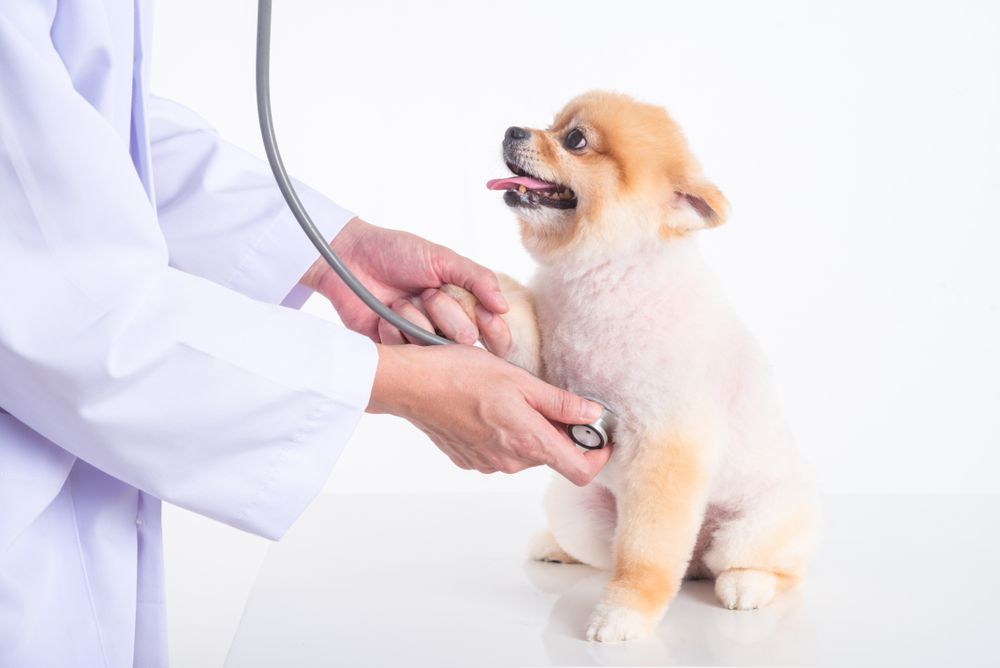
Your pet’s heart works tirelessly every day to circulate oxygen and nutrients throughout their body. Heart disease can affect pets of all ages and breeds. While some cardiac conditions are congenital, many develop over time and can progress quietly before noticeable symptoms appear. Understanding the signs of heart disease and taking preventive steps can help protect your pet’s health and extend their quality of life.
Understanding Heart Disease in Pets
Heart disease in pets generally falls into two main categories:
- Congenital heart disease: Present at birth and often detected in puppies or kittens.
- Acquired heart disease: Develops later in life and is more common, especially in older pets.
In dogs, the most common acquired heart condition is degenerative valve disease, which affects the heart’s ability to pump blood efficiently. Larger breeds may also be prone to dilated cardiomyopathy (DCM), a condition where the heart muscle becomes weakened. Cats, on the other hand, most commonly develop hypertrophic cardiomyopathy (HCM), which causes thickening of the heart muscle. Early detection is key to managing these conditions effectively.
Common Signs of Heart Problems in Pets
Heart disease can be subtle in its early stages. Some pets may show no obvious symptoms until the condition has progressed. Watch for the following warning signs:
- Persistent coughing (especially in dogs)
- Difficulty breathing or rapid breathing
- Lethargy or decreased activity
- Fainting or collapse
- Reduced appetite
- Swollen abdomen (fluid buildup)
- Weight loss
- Pale or bluish gums
In cats, symptoms may be especially subtle. Labored breathing, hiding, or sudden hind-leg weakness (due to blood clots) can indicate serious cardiac issues. If you notice any of these signs, prompt veterinary evaluation is essential.
Risk Factors for Heart Disease
Several factors can increase a pet’s risk of developing heart disease:
- Age (middle-aged to senior pets are at higher risk)
- Breed predisposition
- Obesity
- Poor nutrition
- Lack of exercise
- Underlying medical conditions such as thyroid disease
- Dental disease, which allows harmful bacteria to enter the bloodstream and potentially damage heart valves over time
Routine veterinary exams are critical because your veterinarian may detect a heart murmur or abnormal rhythm before symptoms appear at home.
How Heart Disease Is Diagnosed
If heart disease is suspected, your veterinarian may recommend diagnostic testing to better understand your pet’s condition and determine the most appropriate treatment plan. At True Animal Vet, diagnostic tools may include:
- Thorough physical examination and heart auscultation
- Chest X-rays to evaluate heart size and lung changes
- Electrocardiogram (ECG) to assess heart rhythm
- Echocardiogram (heart ultrasound) to evaluate heart structure and function
- Blood pressure measurement
- Blood testing to assess organ function and screen for underlying conditions
Advanced imaging, such as echocardiography, allows us to see how effectively the heart is pumping and identify structural abnormalities early. These tools help determine the type and severity of heart disease and guide appropriate treatment.
Preventing Cardiac Issues in Pets
While not all heart conditions are preventable, there are important steps you can take to support your pet’s heart health:
- Schedule Regular Veterinary Checkups: Routine exams allow early detection of heart murmurs, irregular rhythms, or subtle changes that may signal developing heart disease.
- Maintain a Healthy Weight: Obesity increases strain on the heart. Feeding a balanced diet and monitoring portion sizes can significantly reduce risk.
- Encourage Regular Exercise: Appropriate physical activity supports cardiovascular health. Exercise recommendations should be tailored to your pet’s age, breed, and medical condition.
- Provide a Balanced Diet: High-quality nutrition supports overall organ function, including the heart. In some cases, your veterinarian may recommend specific diets formulated for cardiac health.
- Stay Current on Preventive Care: Heartworm prevention is essential for dogs and recommended for many cats. Heartworm disease can cause severe, sometimes irreversible damage to the heart and lungs. Staying consistent with year-round prevention is one of the most effective ways to protect your pet’s cardiovascular health.
- Monitor Changes at Home: Pay attention to changes in breathing patterns, stamina, appetite, or behavior. Early reporting of concerns can make a significant difference in outcomes.
Managing Heart Disease
If your pet is diagnosed with heart disease, many treatment options are available. Medications such as pimobendan, diuretics, ACE inhibitors, or anti-arrhythmic drugs may be prescribed to improve heart function, manage fluid buildup, regulate blood pressure, and control arrhythmias. With proper management, many pets live comfortable, happy lives for years after diagnosis. Close monitoring, follow-up exams, and medication adjustments are often necessary to maintain stability and slow disease progression.
Stay Ahead of Heart Disease with True Animal Vet
Heart disease in pets can be serious, but early recognition and proactive care can make a profound difference. Understanding the warning signs, addressing risk factors, and maintaining regular veterinary visits are the most effective ways to protect your pet’s heart health. With attentive care and timely intervention, many cardiac conditions can be successfully managed, allowing your pet to enjoy a longer, healthier life.
If you have concerns about your pet’s heart health or would like to schedule a wellness exam, contact True Animal Vet today. Our team is here to provide compassionate, comprehensive care to keep your pet’s heart strong and healthy for years to come. Call our office in The Woodlands, TX, at 281-867-5968 or book an appointment online today.


Contact Information
Clinic Hours
| Monday | 7:30am - 9:00pm |
| Tuesday | 7:30am - 9:00pm |
| Wednesday | 7:30am - 9:00pm |
| Thursday | 7:30am - 9:00pm |
| Friday | 7:30am - 9:00pm |
| Saturday | 8:00am - 12:00pm |
| Sunday | Closed |
© 2026 True Animal Vet | All Rights Reserved | Privacy Policy | Sitemap
Powered by: 